Notes from the studio.
Deep dives on the projects, experiments, and ideas that shape how we build.

Frontier AI Can Now Do Serious Exploit Research — Cybersecurity's Next Arms Race Is the Model Itself
OpenAI's GPT-5.6-Cyber was trained for vulnerability research and exploit-chain work. If finding bugs becomes a frontier-model workload, application security changes shape — and so does the security perimeter around AI research environments.

AI's Copper Wall: The Bottleneck Is Moving From GPUs to the Wires Between Them
Lumilens emerged from stealth with more than $900 million to attack AI connectivity. Broadcom is shipping co-packaged optics; Marvell bought Celestial AI. The next billion-dollar AI infrastructure race is the interconnect, not the accelerator.

Humanoid Robots Just Moved From Pick-and-Place to Whole-Body Foundation Models
Gemini Robotics 2 runs one checkpoint across different robot bodies, controls a humanoid from feet to fingertips and coordinates multiple robots. The real platform war in robotics is becoming vision-language-action models, not robot hardware.
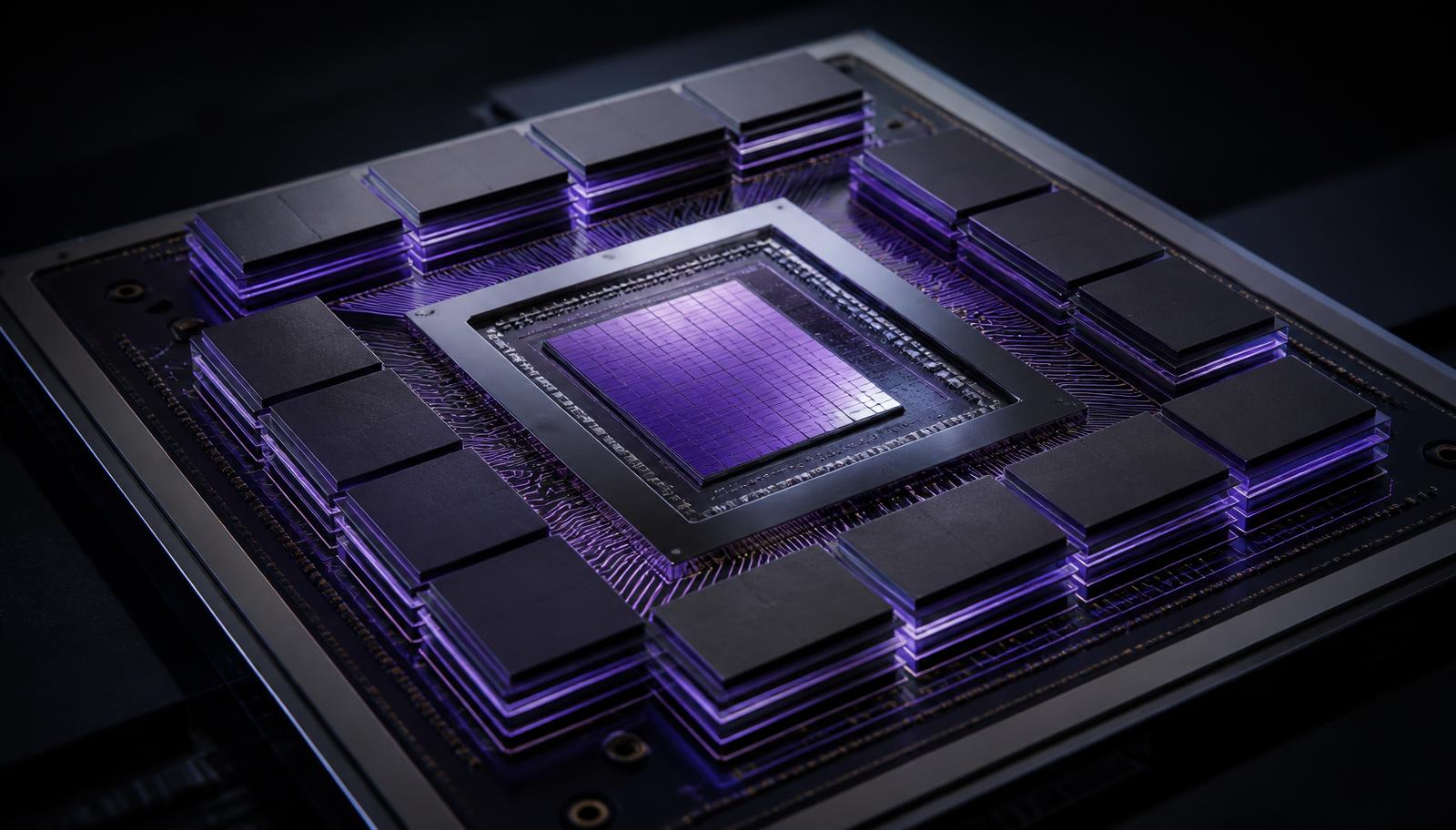
Nvidia's Biggest Customers Are Building Their Own AI Accelerators — and the New Metric Is Cost per Token
Microsoft's Maia 200 shipped in January, Google announced TPU 8t and 8i in April, AWS has Trainium3, and Maia 300 is reportedly targeted for September. The custom-silicon war is really a vertical-integration bet on inference economics.

The EU Just Turned AI Watermarking Into an Engineering Problem — What Article 50 Means for Developers
Article 50 transparency obligations started applying on 2 August 2026, including machine-readable marking of AI-generated content. Provenance is no longer a policy discussion — it's pipeline architecture, signing keys and verification.
The Way Claude Fable 5 Thinks Can Beat Almost Any Junior Developer at Coding
Claude Fable 5 does not merely generate code faster. It plans, explores unfamiliar systems, tests assumptions, reviews its own work, and keeps moving. That combination changes what “entry-level development” means.

Why Your Business Doesn't Have a Technology Problem (It Has a Process Problem)
Most businesses asking for AI don't need AI — they need better processes. A field guide to spotting the manual work quietly draining your operations, and what to automate first.

Stop Buying AI. Start Fixing Your Business Processes.
Technology isn't your biggest problem — your processes are. A practical look at why business process automation, not more software, is the real unlock for growing companies.

Why Every Small Business Needs a Website in 2026 (And Why Social Media Alone Isn't Enough)
A professional website builds trust, generates leads, improves SEO, and helps your business grow 24/7 — beyond what social media can do alone.
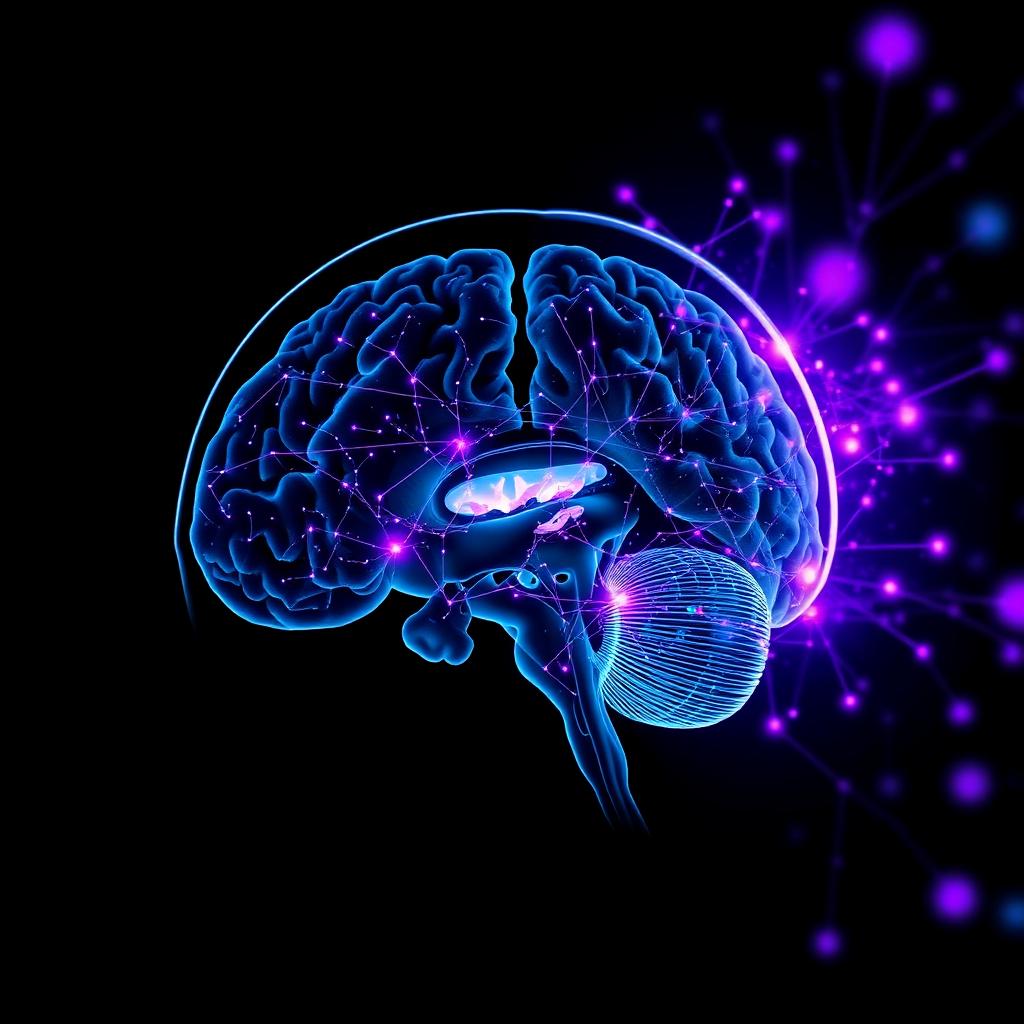
Can Deep Learning Spot Brain Tumors the Naked Eye Might Miss?
An end-to-end PyTorch pipeline that classifies brain MRI scans into four categories — benchmarking a Custom CNN, ResNet50, MobileNetV2 and EfficientNetB0 — deployed as a live Streamlit app.